
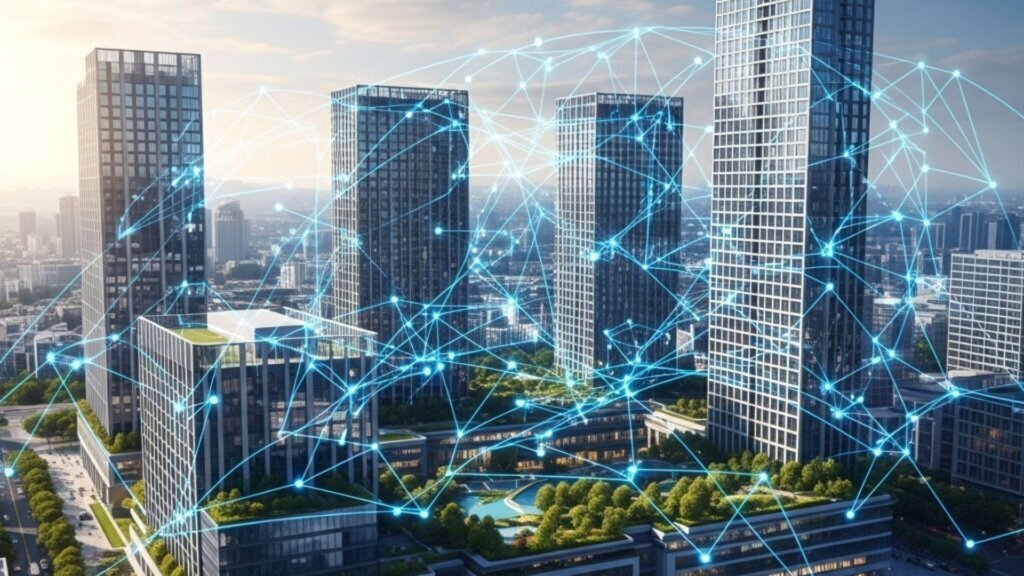
The real estate industry relies on accurate records, reliable documentation, and clear ownership structures.
As property markets become increasingly digital, blockchain technology is being explored as a potential tool for improving the way certain transactions and records are managed.
What Makes Blockchain Different?
Blockchain is a distributed digital ledger designed to maintain records across a network.
Once information is recorded and confirmed, the system can provide a traceable history of activity.
This makes blockchain particularly interesting for industries that depend on reliable recordkeeping.
Transparency in Property Transactions
Traditional property transactions can involve multiple parties, including buyers, sellers, legal advisers, financial institutions, and administrators.
Blockchain-based systems may help provide consistent transaction histories and improve visibility into certain digital processes.
However, information stored on a blockchain is only as reliable as the information originally entered.
Smart Contracts and Automation
Smart contracts are software programs capable of executing predefined instructions when specified conditions are met.
In property-related systems, they could support administrative workflows, transaction recording, and certain forms of automated processing.
Their implementation must remain consistent with applicable legal agreements and regulatory requirements.
Security and Compliance
Secure digital infrastructure requires more than blockchain technology.
Identity verification, data protection, access controls, custody arrangements, and operational security are all important components of a reliable platform.
Any system involving regulated virtual assets must also comply with the relevant licensing and supervisory requirements.
Where the Industry Goes Next
Blockchain is unlikely to replace every traditional component of property ownership.
Instead, its long-term value may come from supporting more efficient systems that connect established legal frameworks with modern digital infrastructure.
For real estate, meaningful innovation will depend on technology, regulation, and trust working together.
Related blog posts

Fractional Property Ownership: A New Perspective on Real Estate
For many people, purchasing real estate represents a significant financial commitment. Traditional property ownership often requires substantial capital,…

Why Dubai Is Becoming a Global Hub for Digital Real Estate
Dubai has established itself as an internationally recognised destination for real estate development, architecture, and technological innovation. As…

The Future of Real Estate: How Tokenization Is Changing Property Ownership
Real estate has traditionally been one of the most valuable yet difficult asset classes to access. High initial…