

For many people, purchasing real estate represents a significant financial commitment. Traditional property ownership often requires substantial capital, making it difficult to access certain markets or premium locations.
Fractional ownership introduces a different approach by allowing multiple parties to hold defined interests associated with a single property.
Understanding Fractional Ownership
Fractional ownership allows an asset or its economic benefits to be divided among multiple participants.
Depending on the legal arrangement, participants may hold direct ownership interests, shares in an entity, or contractual rights associated with the property.
Each structure comes with different responsibilities, benefits, and risks.
Why Digital Technology Matters
Digital platforms can simplify the administrative processes involved in managing multiple participants.
Documentation, identity verification, ownership records, and transaction histories can potentially be organised within connected digital systems.
Blockchain technology may further support record transparency and auditability.
Opportunities and Considerations
Smaller participation amounts could make certain property-related opportunities accessible to a broader audience.
However, fractional interests do not automatically guarantee liquidity, income, or capital appreciation.
Participants must understand the ownership structure, management arrangements, fees, regulatory obligations, and available exit mechanisms.
A Different Way to Think About Property
Fractional ownership demonstrates how established asset classes can be approached through new financial and technological structures.
As the industry develops, transparency and legally enforceable rights will remain essential to building confidence in these emerging models.
Related blog posts

Blockchain and Real Estate: Building Trust Through Technology
The real estate industry relies on accurate records, reliable documentation, and clear ownership structures. As property markets become…
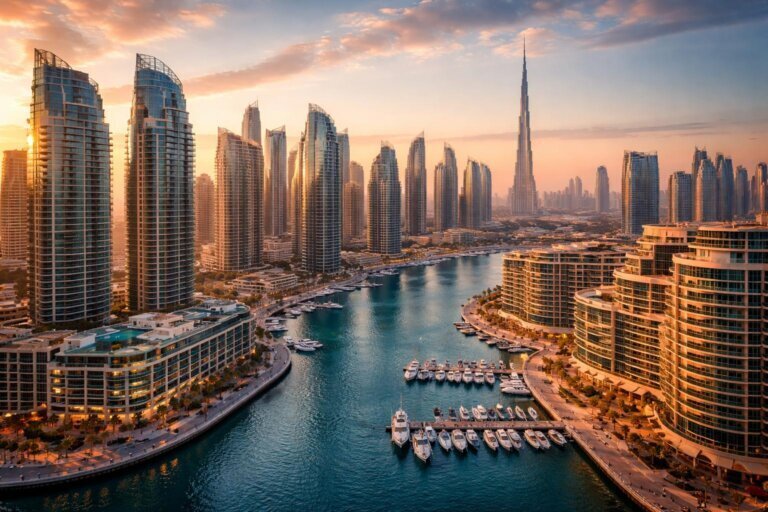
Why Dubai Is Becoming a Global Hub for Digital Real Estate
Dubai has established itself as an internationally recognised destination for real estate development, architecture, and technological innovation. As…
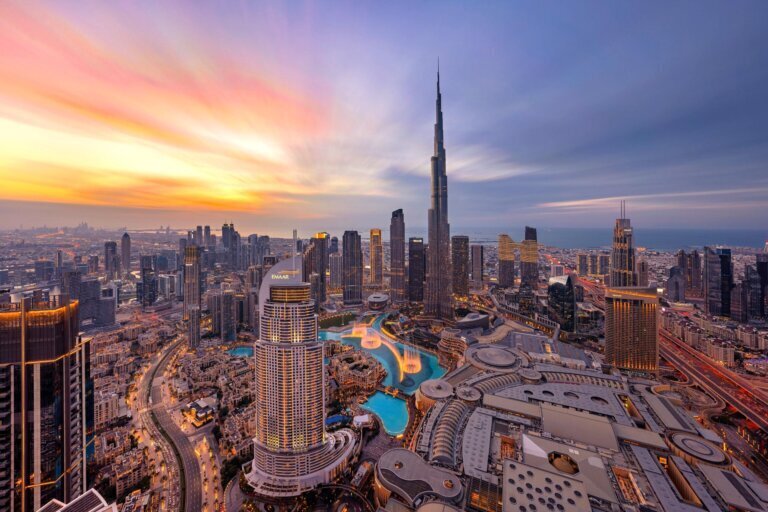
The Future of Real Estate: How Tokenization Is Changing Property Ownership
Real estate has traditionally been one of the most valuable yet difficult asset classes to access. High initial…